Shopping Cart


Remote Monitoring and Management solutions in Saudi Arabia
Discover how Remote Monitoring and Management solutions support enterprise IT performance, compliance, and digital transformation across Saudi Arabia.
By Blue Edge Team | Mar 15, 2026
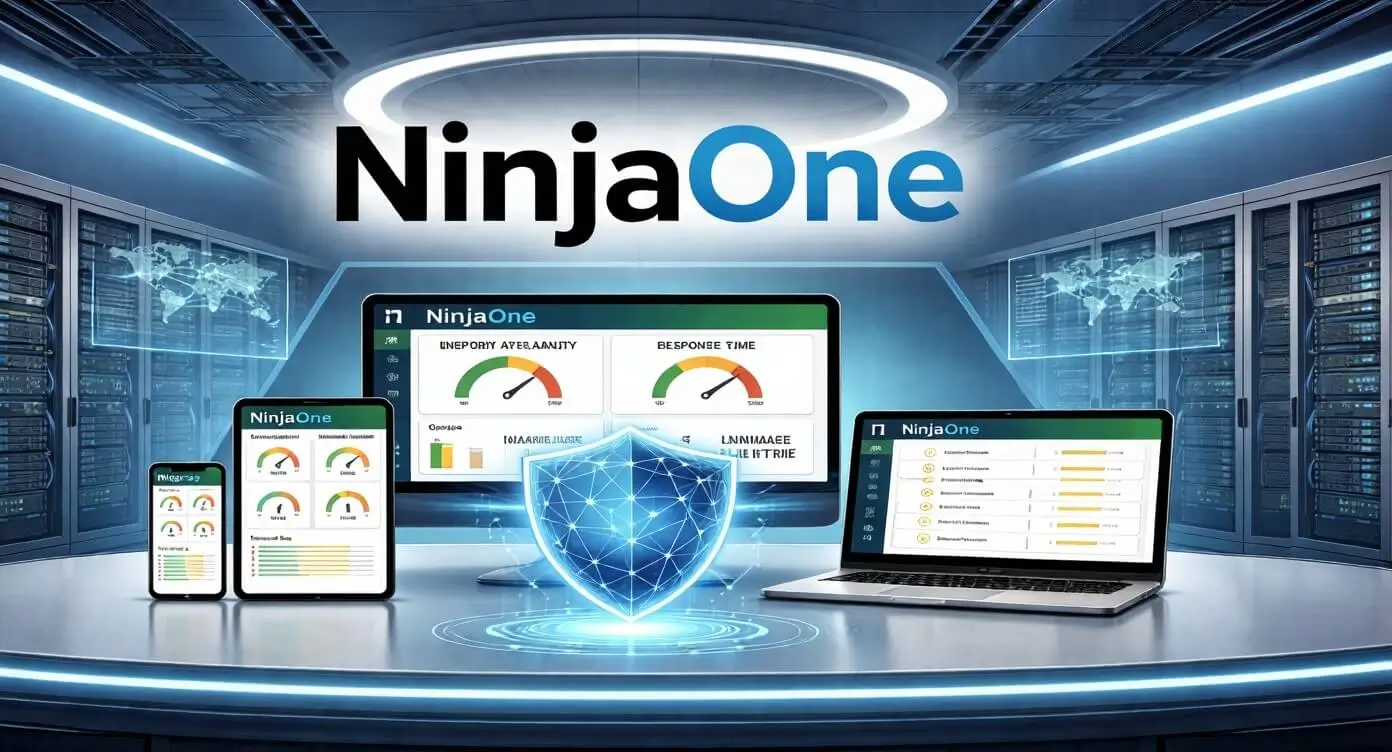
Remote Monitoring and Management Solutions in Saudi Arabia
Saudi Arabian enterprises are managing increasingly complex IT environments—distributed networks, hybrid workforces, and growing cybersecurity demands. Keeping these systems running without interruption requires more than reactive maintenance. It requires visibility. Remote Monitoring and Management (RMM) solutions give IT teams precisely that: real-time oversight and control of their entire infrastructure, from a single platform.
This guide breaks down how RMM works, why it matters for Saudi businesses, and what to look for when selecting a solution.
What Is Remote Monitoring and Management?
IoT Connectivity and Smart Sensors
RMM software enables IT teams to monitor, manage, and maintain endpoints, networks, and systems remotely. Key capabilities typically include:
- Real-time performance monitoring across servers, devices, and network infrastructure
- Automated alerts for system anomalies, downtime risks, or security threats
- Remote access and troubleshooting without on-site intervention
- Patch management to keep software and firmware up to date
- Reporting and analytics for informed decision-making
How RMM Differs from Traditional IT Management
Traditional IT management is largely reactive—issues are addressed after they cause disruption. RMM shifts this model to a proactive approach, identifying potential failures before they impact operations. For enterprises managing multiple sites or a large number of endpoints, this distinction is critical.
Why RMM Is Increasingly Important in Saudi Arabia
Supporting Vision 2030 Digital Transformation Goals
Saudi Arabia's Vision 2030 initiative is driving rapid digital transformation across both the public and private sectors. As organizations migrate to cloud-based systems, expand their network infrastructure, and adopt smart building technologies, the complexity of managing IT environments grows accordingly.
RMM solutions support this transformation by ensuring that new and existing infrastructure operates at peak performance—without adding proportional increases to IT staffing requirements.
Meeting Enterprise Uptime and Compliance Requirements
Downtime carries significant financial and operational consequences for enterprise organizations. Regulatory compliance in sectors such as finance, healthcare, and government also demands rigorous documentation and audit trails—requirements that modern RMM platforms are built to support.
With robust RMM in place, IT managers gain the visibility needed to demonstrate compliance, respond to audits, and maintain service-level agreements (SLAs) with confidence.
Key Features to Evaluate in an RMM Solution
Scalability and Integration
An effective RMM solution must scale alongside your organization. As new locations come online or device counts increase, the platform should accommodate growth without performance degradation. Equally important is seamless integration with existing tools—including ticketing systems, cybersecurity platforms, and IP telephony infrastructure.
Security and Access Controls
Given the sensitivity of remote access capabilities, security is non-negotiable. Evaluate solutions for multi-factor authentication, role-based access controls, end-to-end encryption, and detailed audit logs. These controls protect both the infrastructure being managed and the organization as a whole.
Key Takeaways
- RMM solutions provide real-time monitoring, automated alerts, remote access, and patch management from a centralized platform.
- Proactive IT management reduces downtime and lowers the cost of reactive support.
- Saudi Arabia's digital transformation agenda is increasing demand for scalable, integrated IT management tools.
- Compliance and uptime requirements across regulated industries make RMM a strategic necessity, not just an operational convenience.
- When evaluating RMM platforms, prioritize scalability, integration depth, and security architecture.
Frequently Asked Questions
-
What types of organizations benefit most from RMM solutions in Saudi Arabia?
RMM is well-suited to any organization managing multiple endpoints or distributed network infrastructure. System integrators, enterprise IT teams, telecom solution providers, and smart infrastructure developers all stand to benefit significantly from centralized remote management capabilities.
-
Can RMM solutions integrate with existing enterprise networking infrastructure?
Yes. Most enterprise-grade RMM platforms are designed for seamless integration with existing networking equipment, IP telephony systems, and cybersecurity tools. Compatibility should be confirmed during the evaluation and procurement phase.
-
How does RMM support cybersecurity efforts?
RMM platforms contribute to cybersecurity by enabling continuous monitoring for suspicious activity, automating patch deployment to close vulnerabilities, and providing detailed logs for forensic analysis. Many solutions also integrate directly with endpoint detection and response (EDR) tools.
-
Is RMM suitable for organizations undergoing digital transformation?
RMM is particularly valuable during digital transformation initiatives, where new systems are being deployed alongside legacy infrastructure. It provides the visibility needed to manage hybrid environments and ensures that newly integrated systems meet performance benchmarks from day one.
-
What should IT decision-makers prioritize when selecting an RMM vendor?
Key selection criteria include platform scalability, integration capabilities, security controls, vendor support availability, and a proven track record with enterprise deployments. Partnering with a trusted technology distributor—such as Blue Edge for Communication and Technology—ensures access to vetted solutions backed by local technical expertise.